
Burgundy – the heart of wine
Although it comprises only 3% of France's total vineyard area and cultivates only three grape varieties – the red Pinot Noir and the white Chardonnay and Aligoté – Burgundy produces some of the world's most valuable – and rarest – wines.

Our most popular wines from Burgundy
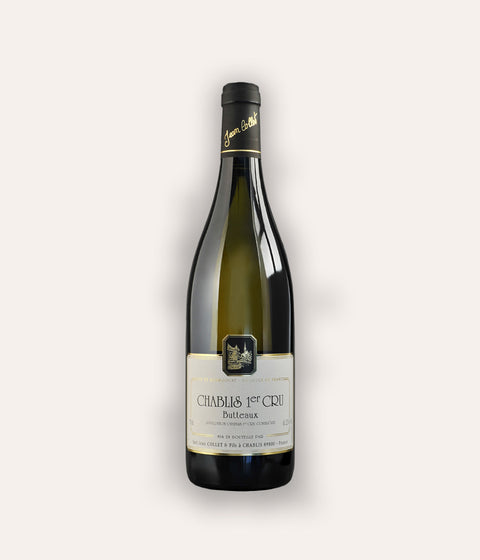
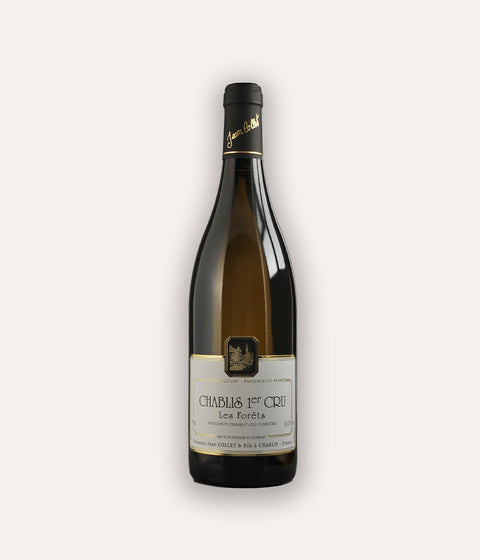
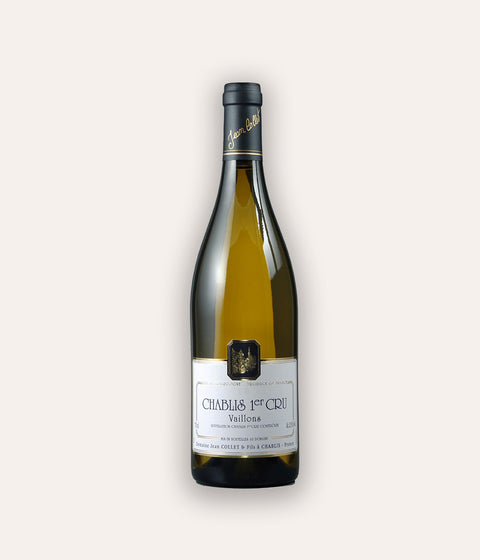


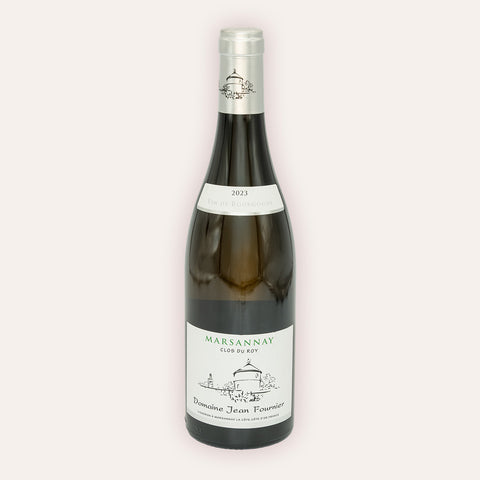


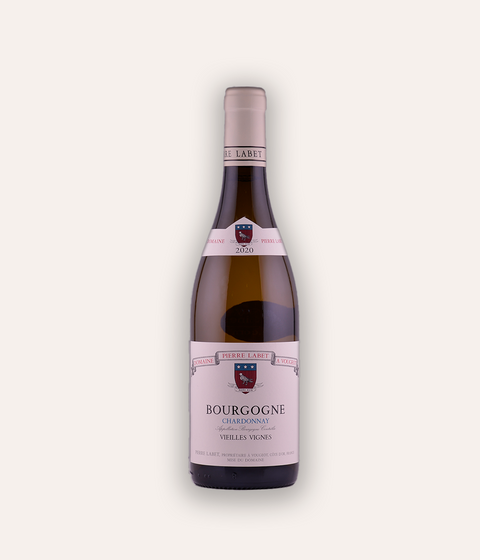
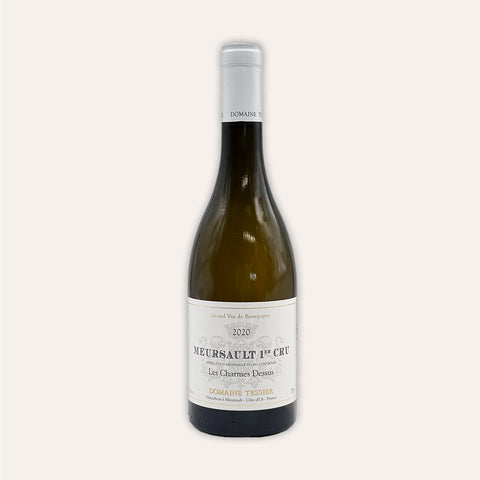


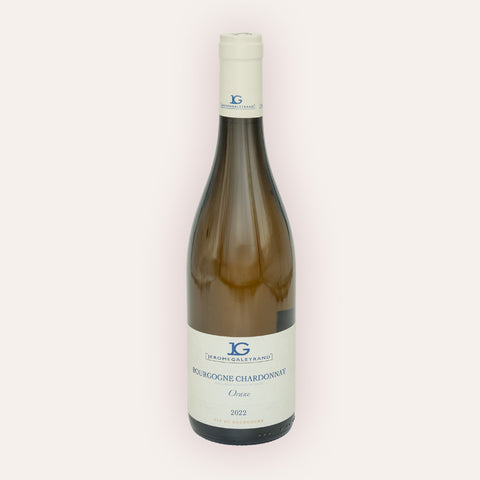


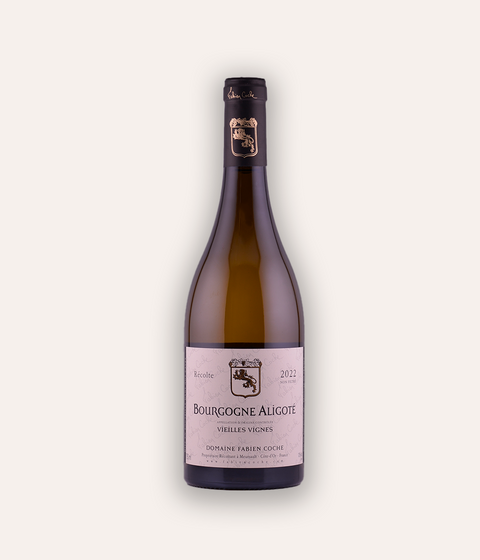
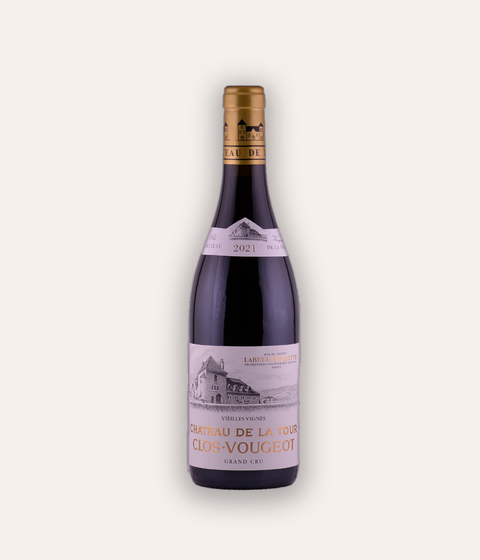
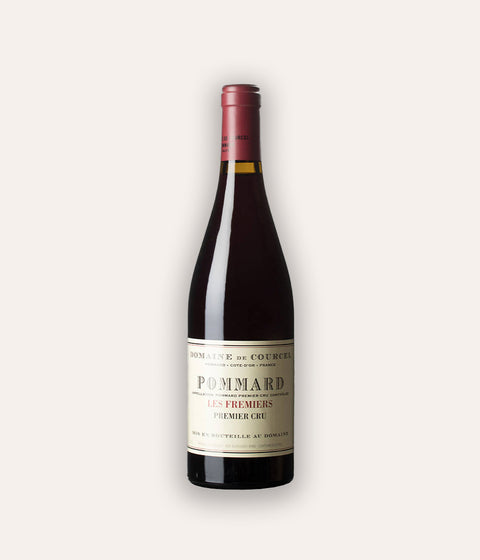


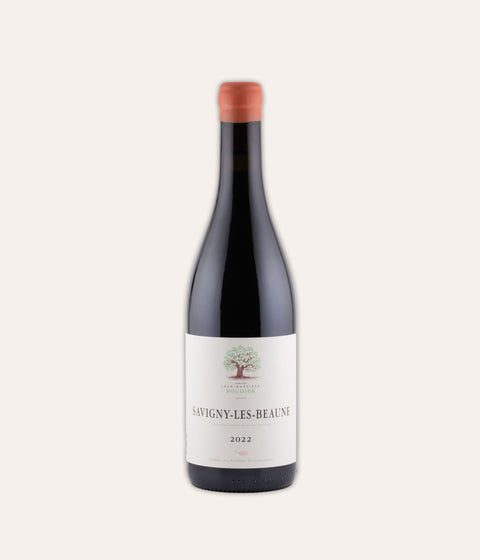
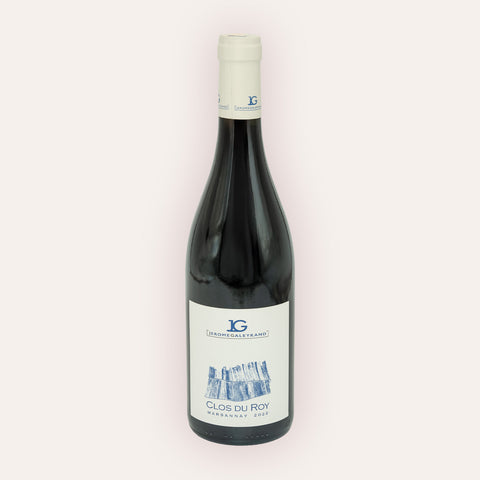
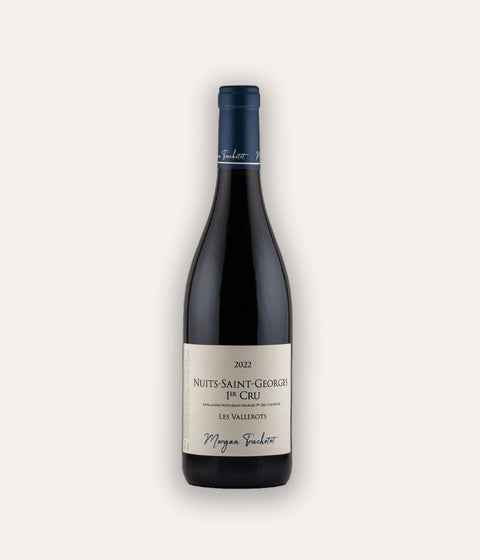


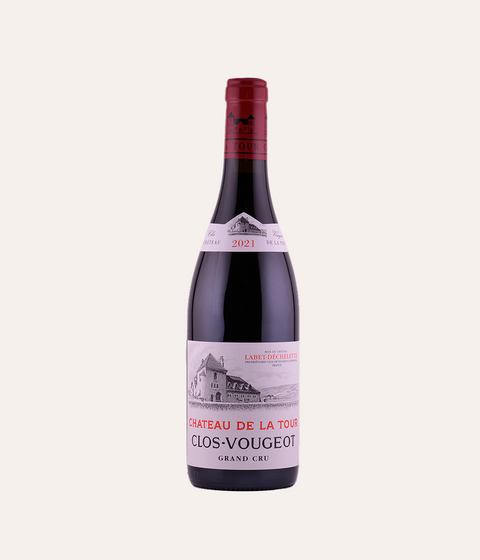
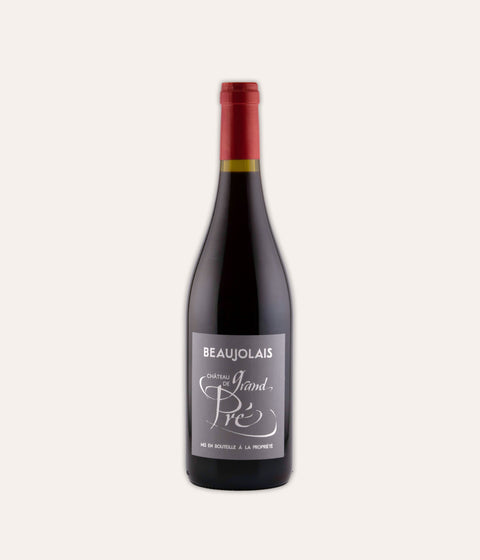


Smallest plots, largest sites
Burgundy can be described, without exaggeration, as the heart of winemaking: although it comprises only 3% of France's total vineyard area, this highly complex and diverse region produces some of the world's most valuable – and rarest – wines. And the quality of Burgundy wines continues to improve, delighting connoisseurs year after year.
The best vineyard sites, such as Montrachet, Chambertin, and Musigny , are divided among winegrowers who often own only a few rows of vines. This fragmentation is historically rooted and is part of Burgundy's charm: each winegrower brings their own signature style to the wines, even if the grapes come from neighboring vineyards.
Wine drinking for professionals
Burgundy wines are not for beginners: due to the fragmentation of the region and the resulting patchwork of histories and styles, Burgundy exhibits sometimes enormous variations in terms of aroma, minerality, acidity, tannins, and body. Even the same Grand Cru can present itself completely differently depending on the winemaker. Quality varies greatly, not only between vineyard sites but also between winemakers.
While some estates like Fourrier or Romanée-Conti cause a sensation worldwide, there are also countless small producers whose wines are known only to connoisseurs. Anyone venturing into Burgundy needs a good nose for wine – and the right connections, because Burgundy winemakers rarely sell their wine directly.
This means that anyone wishing to get to know Burgundy as an outsider should first find a reliable partner to introduce them to this world. In return, those interested can expect a gastronomic experience like no other.
Our white wine recommendation for those who are still skeptical
Roland Lavantureux – Petit Chablis “Les Grenouillères” 2023
France → Burgundy → chablis
27.73€/l | Preis inkl. MwSt. | zzgl. Versandkosten


The regions of Burgundy
It's quite difficult to generalize about Germany as a wine-producing country, not least because the 13 wine-growing regions have sometimes completely different winemaking traditions. The fact remains, however, that German viticulture has developed dynamically in recent years.
When it comes to Riesling, we are particularly impressed by three wine-growing regions:
Chablis – cool terroir for invigorating Chardonnay
Geographically separated from the rest of the northern wine region, the calcareous soils of the Kimmeridge define the terroir. Here lies Chablis – the coolest subregion of Burgundy and the home of Chardonnays of unparalleled freshness and minerality . The climate bestows upon the wines powerful aromas of green apple, citrus, and flint , with a mineral, almost saline depth. Chablis is Chardonnay in its purest form: pure, precise, and unadorned .
Côte d'Or – The Golden Heart
Even within Burgundy there are differences – when people talk about the absolute pinnacle of French wine, they usually mean the Côte d'Or. This is further divided into the Côte de Nuits and the Côte de Beaune .
Côte de Nuits: The domain of Pinot Noir
Between the city of Dijon and the commune of Nuits-Saint-Georges, brown limestone soils and a mild climate define the viticulture. Perfect conditions for Pinot Noir – so it's no wonder that some of the world's most legendary red wines originate here. Communes like Gevrey-Chambertin, Vosne-Romanée, Nuits-Saint-Georges, and Chambolle-Musigny are synonymous with powerful, elegant red wines .
Côte de Beaune: Where Chardonnay and Pinot Noir shine
The Côte de Beaune, surrounding the city of Beaune, also produces first-class Pinot Noirs, for example from the communes of Pommard and Auxey-Duresses. But it is equally the domain of white Grand Crus – Meursault, Montrachet, and Corton-Charlemagne , to name just a few. The soils of the Côte de Beaune are rich in limestone and clay , which gives the wines a creamy texture, mineral depth, and an almost sensual elegance .


Our red wine recommendation for those interested
Domaine Jean-Marie Bouzereau – Bourgogne Pinot Noir 2022
France → Burgundy → Côte de Beaune
30.13€/l | Preis inkl. MwSt. | zzgl. Versandkosten
Côte Chalonnaise – Burgundy’s insider tip
Less well-known, but no less interesting, is the Mâconnais region around the town of the same name in the south of the Côte d'Or. The wines are more approachable and fruit-forward than those from the north, but no less characterful. The commune of Bouzeron in the far north is particularly noteworthy – here, the otherwise little-cultivated Aligoté grape variety has made a name for itself in recent years.
Mâconnais – Burgundy's sunny side
South of the Côte Chalonnaise lies the Mâconnais region , where Chardonnay thrives on calcareous and clay soils . The mild, sun-drenched climate bestows upon the wines an opulent fruitiness (peach, apricot, citrus) and an approachable yet complex structure .
Beaujolais – The Special Case
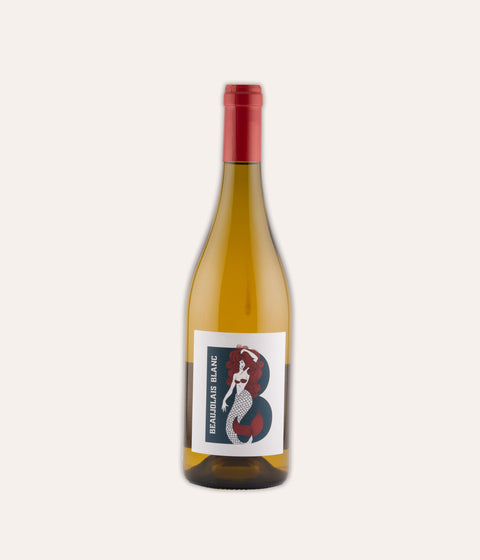
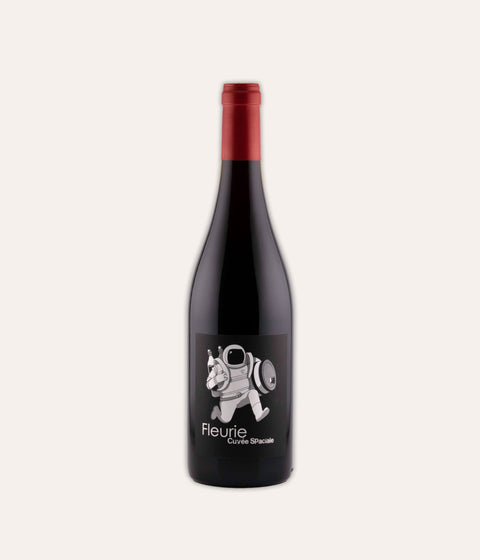
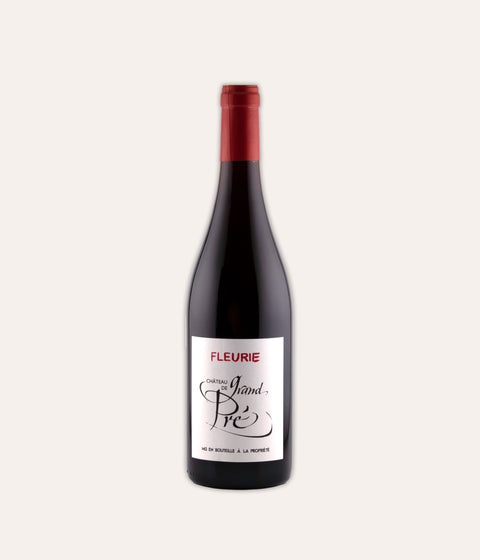
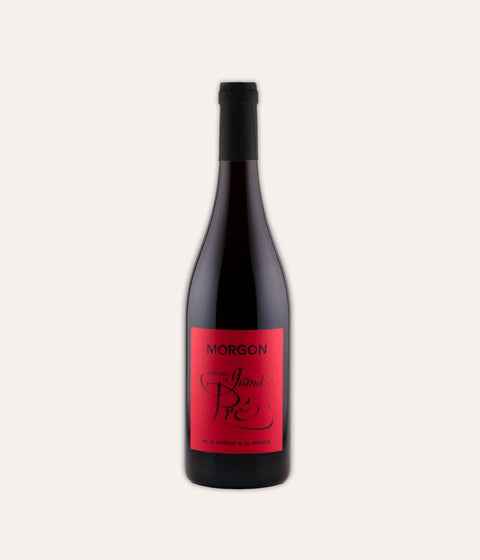
Whether Beaujolais belongs to Burgundy is a matter of debate among connoisseurs. However, the granite soils and warm climate produce entirely different wines : the red grape variety Gamay dominates, and the wines are fruity, vibrant, and often uncomplicated . Crus like Fleurie or Morgon , however, demonstrate that Beaujolais can also offer depth and complexity – albeit in a very distinctive style.
The grape varieties of Burgundy
Apart from Beaujolais, only 3 grape varieties are found in the entire Burgundy region: Pinot Noir and Chardonnay share the lion's share of the vineyard area, with occasional vines of the white Aligoté also found.
Incidentally, contrary to their names, Pinot Blanc and Pinot Gris are hardly found in Burgundy today.
Pinot Noir
With over 30,000 hectares under vine , Pinot Noir is Burgundy's most important grape variety. It thrives in the region's chalky soils and temperate climate . In the glass, it unfolds aromas of cherries, violets, mushrooms, and spices , with a silky texture and vibrant acidity . Pinot Noir is a diva – difficult to cultivate, but rewarding for both winemakers and drinkers.
Chardonnay
Chardonnay is a defining grape for Burgundy's white Grand Crus . Grown on chalky soils, it develops aromas of citrus, butter, hazelnut, and flint , with a creamy texture and mineral depth . Whether as Chablis, Meursault, or Puligny-Montrachet , Chardonnay truly shines in Burgundy.
Aligoté
Aligoté, often overshadowed by Chardonnay, is a robust, acidic variety that truly shines in Bouzeron . It produces fresh, citrusy wines that pair perfectly with seafood or goat cheese . A hidden gem for lovers of crisp, uncomplicated wines .
The AOP classification – Burgundy's quality system
Burgundy classifies its wines according to Appellation d'Origine Protégée (AOP) . This comprises four quality levels:
- Regional wines (Bourgogne Rouge/Blanc) are simple, approachable wines .
- Villages (e.g. Meursault, Volnay) come from specific villages and show more terroir.
- Premier Crus (e.g. Meursault "Les Perrières" or Gevrey-Chambertin "Cherbaudes") are top vineyard sites of exceptional quality.
- Grand Crus (e.g. Griotte-Chambertin or Chassagne-Montrachet) are the absolute top wines – rare, expensive, legendary.
The AOP classification applies to all of France – and it is the template for most modern European quality classifications – such as the German VDP system or the classification of the Styrian STK winegrowers.
Our recommendation for connoisseurs
Product title
→ →
€/l | Preis inkl. MwSt. | zzgl. Versandkosten