
German Riesling – King of White Wines
That's why German Riesling from Mosel, Pfalz, Rheingau, etc. is so popular.

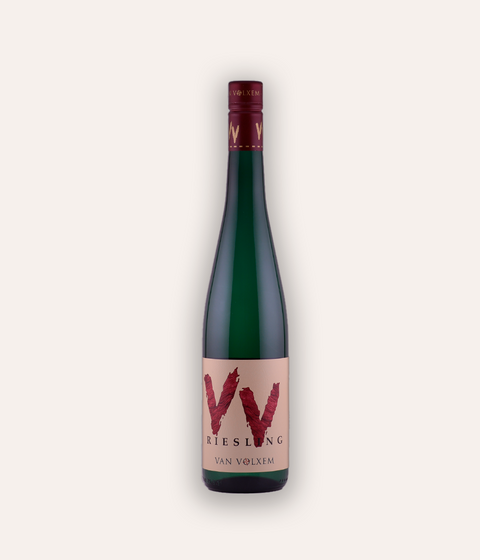
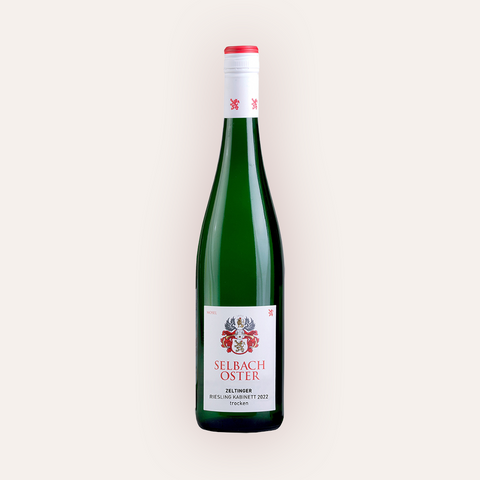
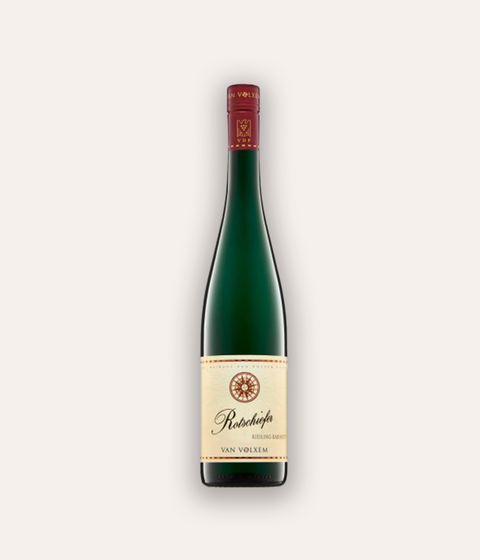
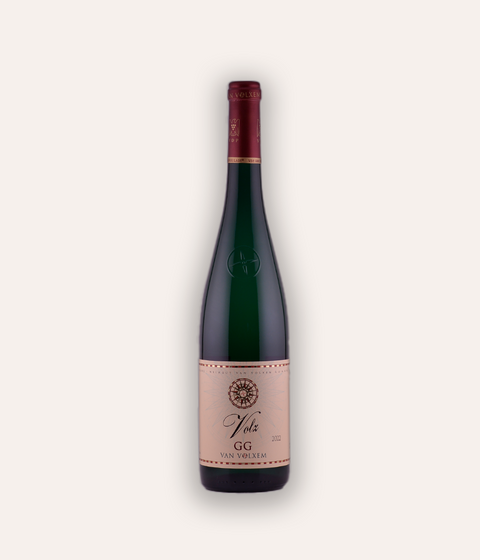
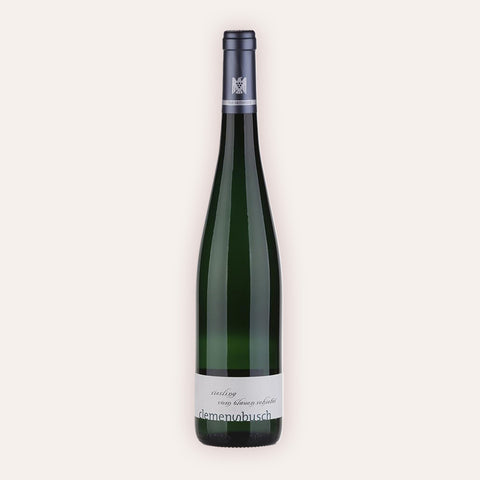
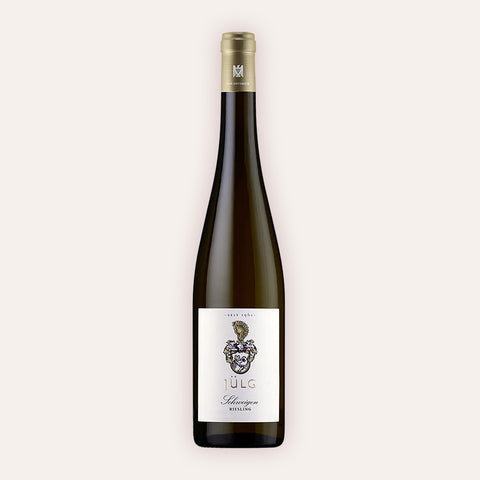
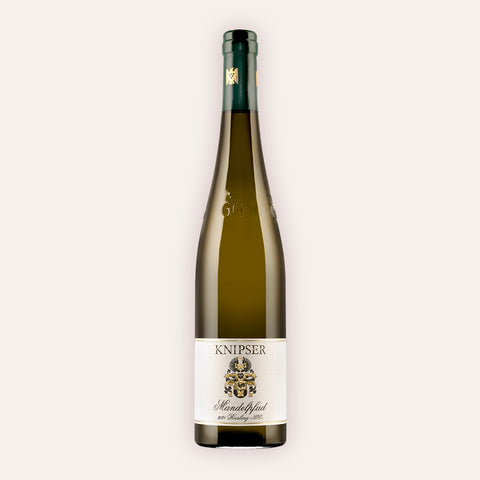
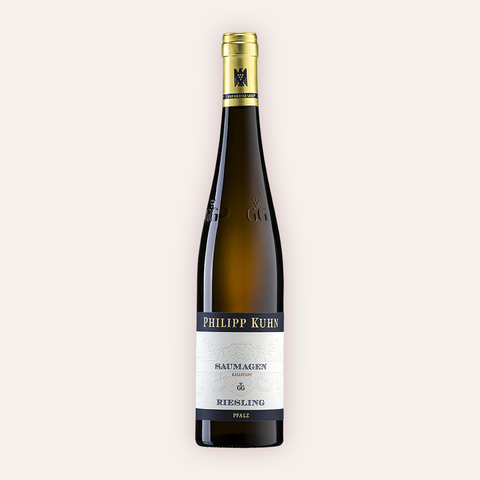
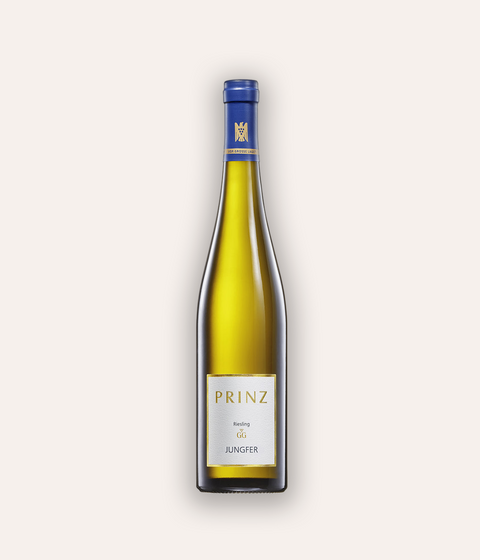
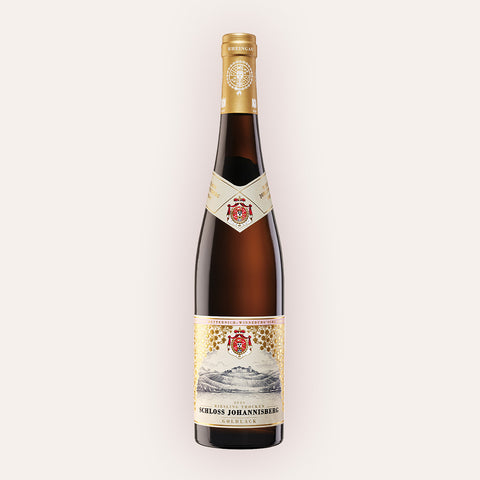
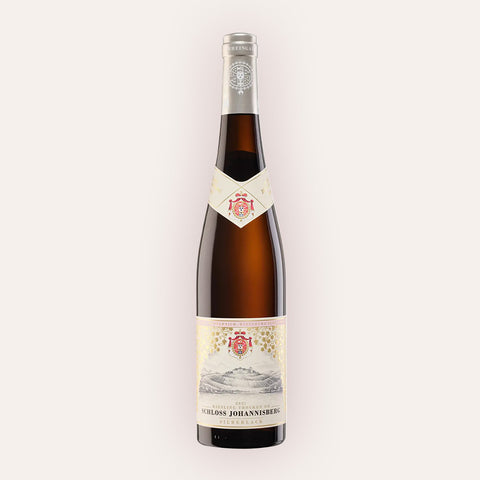
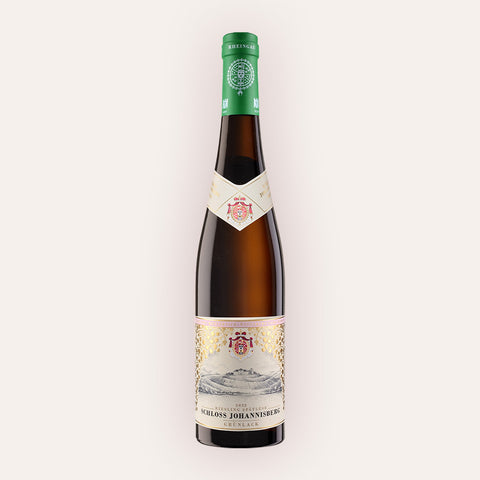
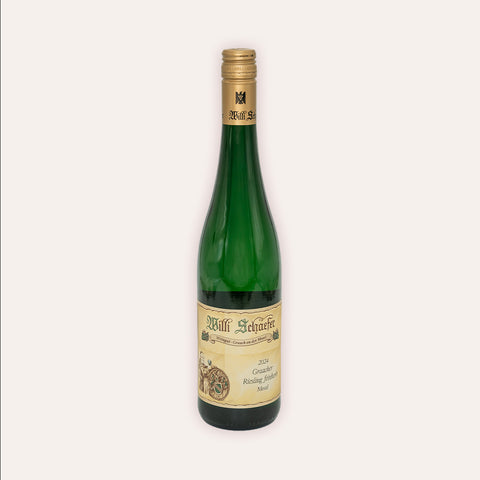
Our most popular German Rieslings

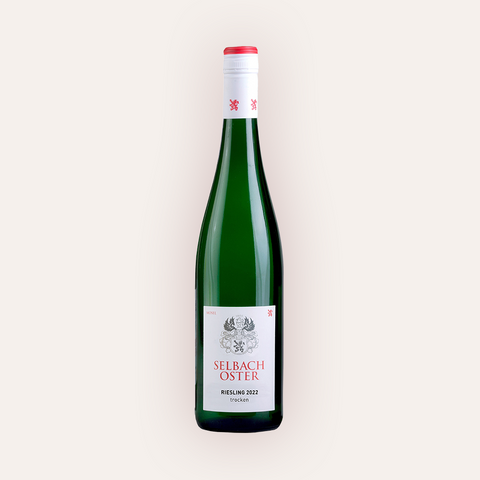
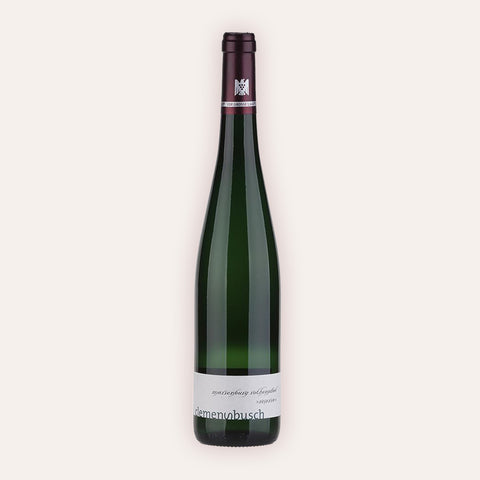
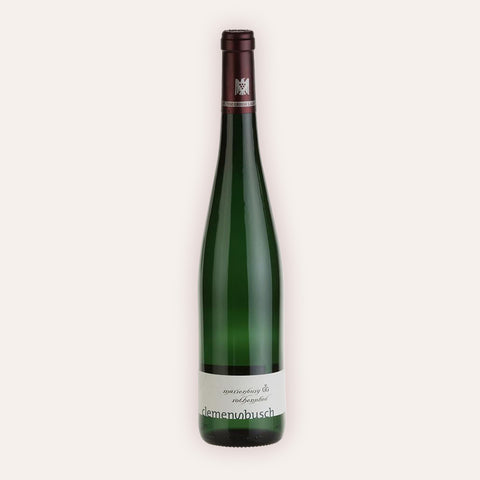
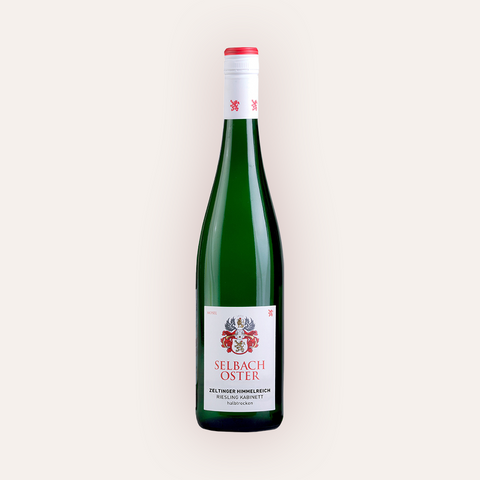

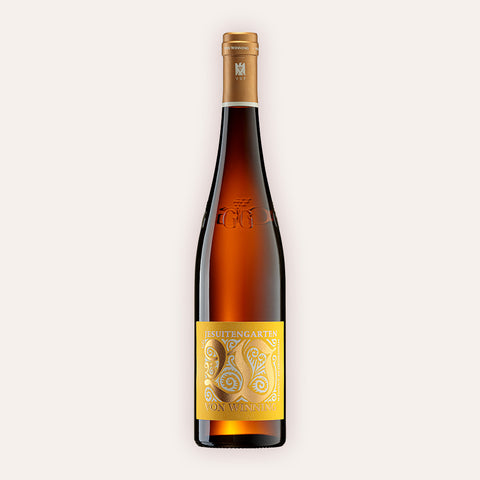
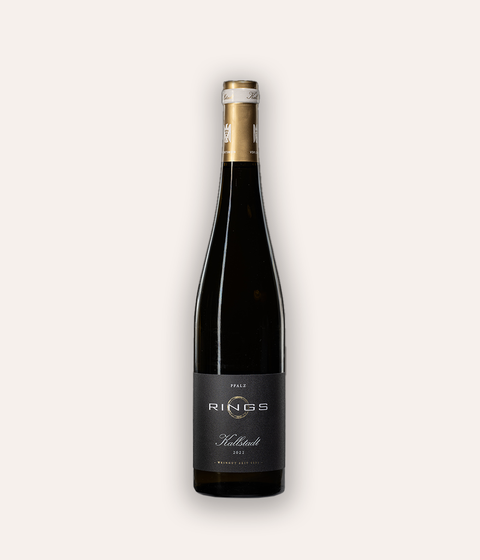
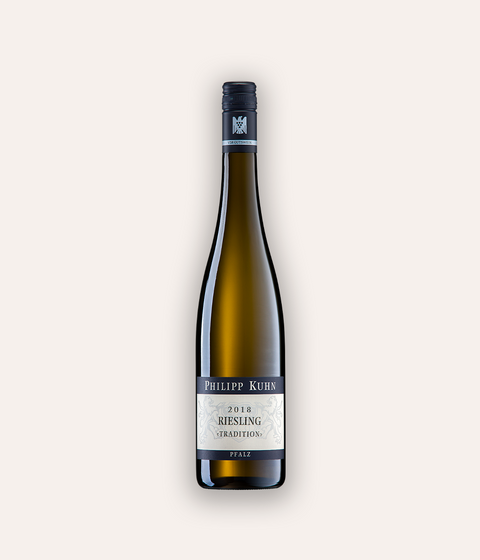
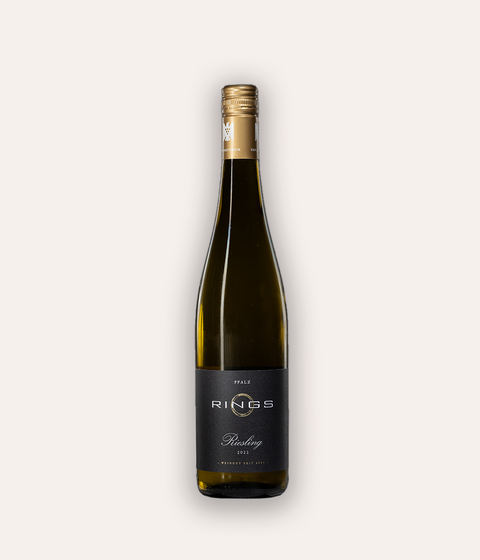
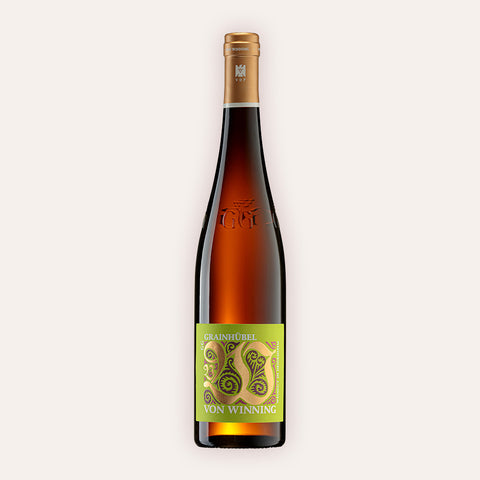
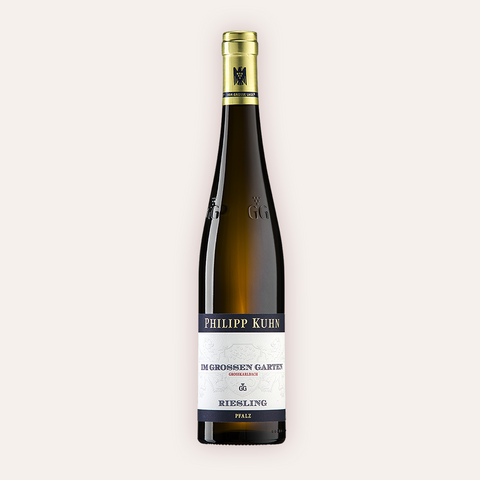
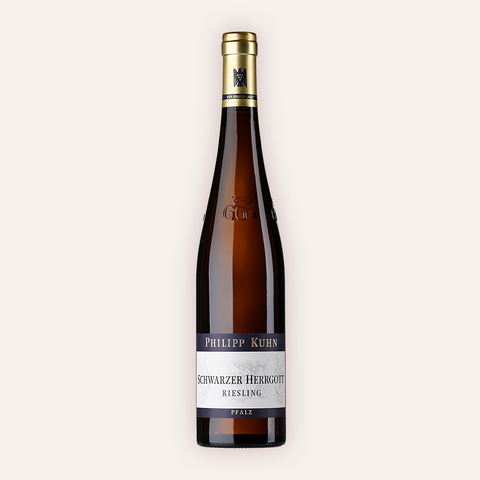
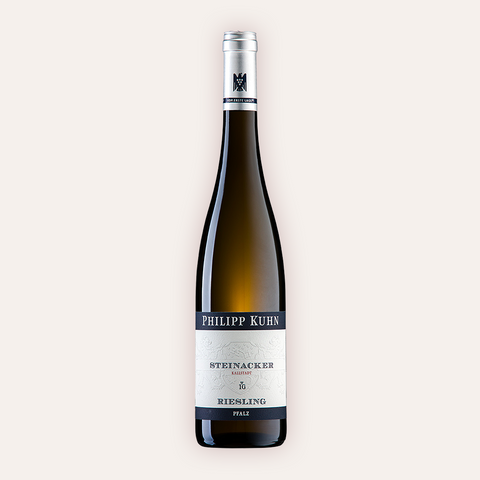
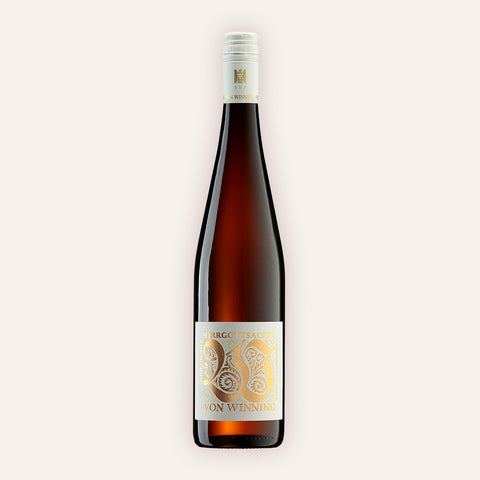

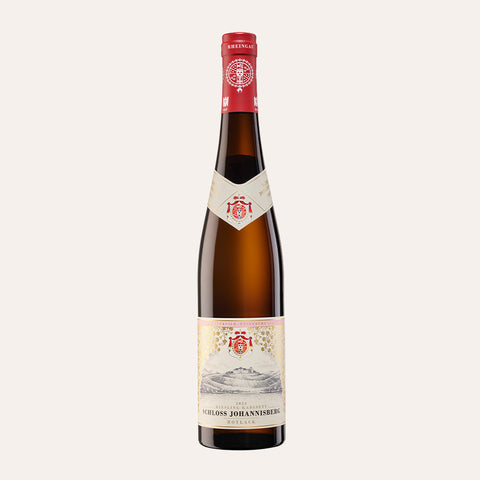
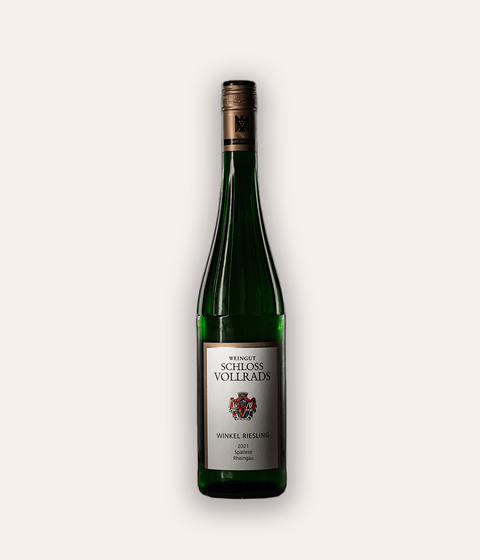
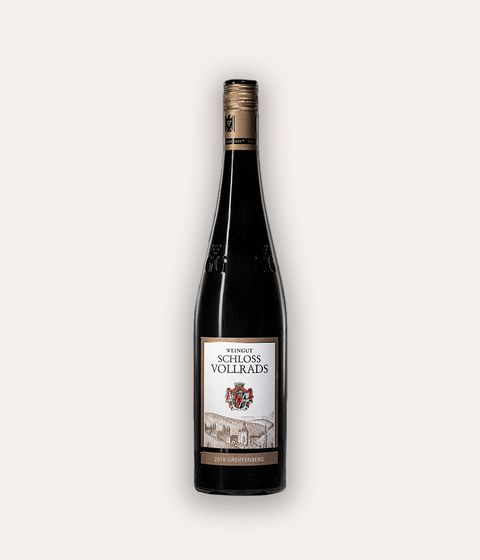
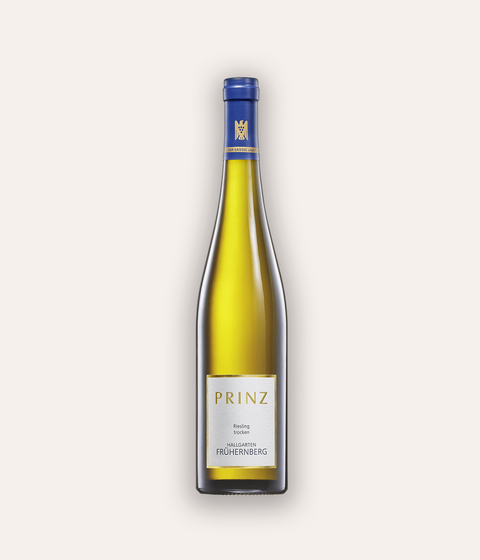
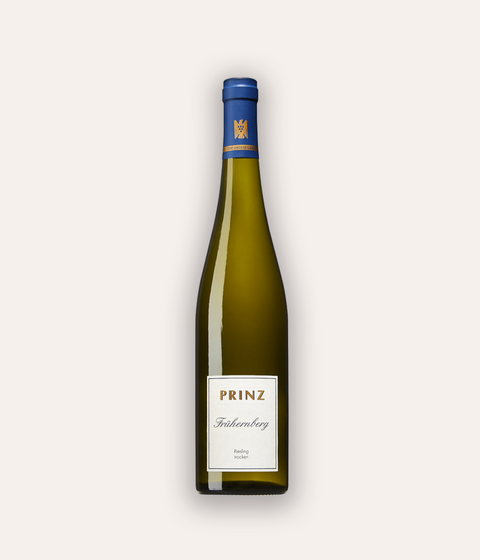
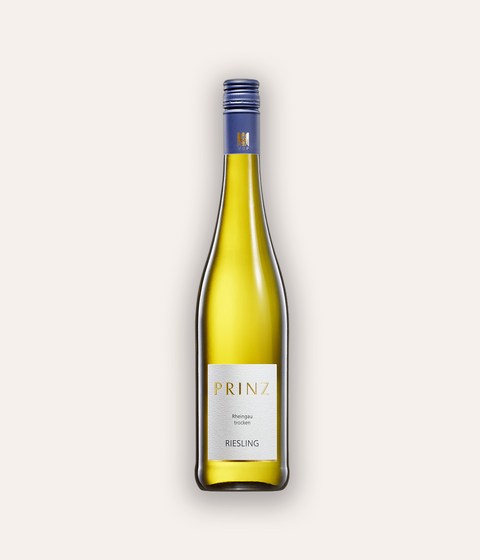
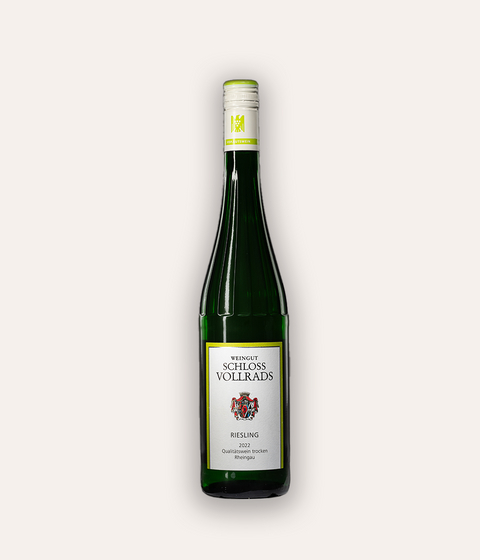


An icon of German wine culture
German Riesling enjoys worldwide renown and is considered one of the noblest white wine grape varieties. Its fame stems from the unique combination of high acidity, natural sweetness, and pronounced minerality , which lend it an unmistakable freshness and elegance. These qualities make it a versatile wine, ranging from dry to sweet, from young and fresh to long-aged, top-quality wines. German winemaking culture is closely linked to Riesling, which has been cultivated for centuries in the best locations and reflects the diversity of Germany's wine landscapes.
Riesling, the terroir grape variety
Winemakers also love Riesling for its adaptability to different climates and soils, making it an ideal grape variety for diverse soil types and climates . Furthermore, Riesling's late ripening allows for a long growing season , resulting in complex aromas and high acidity. The grape variety is also known for its ability to express terroir exceptionally well , enabling winemakers to produce wines with unique character. This combination of versatility, quality, and terroir expressiveness makes Riesling one of the most favored grape varieties in German viticulture.


From top left to bottom right: Late-ripening Riesling grape (©Selbach-Oster), winemaker Johannes Jülg in the wine cellar (©Jülg), Blue Devonian slate from the Zeltingen sundial (©Selbach-Oster), Johannisberg Castle in the Rheingau (©Christian Düringer)
The wine country of Germany
It's quite difficult to generalize about Germany as a wine-producing country, not least because the 13 wine-growing regions have sometimes completely different winemaking traditions. The fact remains, however, that German viticulture has developed dynamically in recent years.
When it comes to Riesling, we are particularly impressed by three wine-growing regions:
Moselle wine region
The Moselle region is known for its cool climate and steep slate soils along its meandering course, which impart a pronounced minerality and acidity to the Rieslings. The steep slopes allow for optimal sun exposure, promoting grape ripening. Austrians might even be reminded of the Wachau when enjoying Moselle Rieslings. Many world-class wineries, many of them biodynamic, can be found along the Moselle.
Palatinate wine region
Compared to the Moselle, the Palatinate is warmer and drier, with a variety of soils, including sandstone, limestone, and clay, which give the wines more body and fruit. Therefore, in addition to Riesling, it is also the adopted home of the Burgundy varieties – Pinot Blanc, Pinot Gris, Pinot Noir, and Chardonnay.
Rheingau wine region
The Rheingau benefits from a mild climate and a sheltered location on the Rhine, with soils of quartzite, slate, and loess that give the Rieslings an elegant structure and complex aromas. Some of the oldest and most prestigious wineries originate from this region, where Riesling accounts for over 90% of the vineyard area.
The VDP wineries
The VDP classification (Association of German Prädikat Wine Estates) is an important instrument for quality assurance and evaluation in German viticulture. It is hierarchically structured and based on the quality of the vineyard site, the grape variety, and the artisanal winemaking process. The classification comprises four levels: VDP.Estate Wine , VDP.Village Wine , VDP.Premier Cru (1G) , and VDP.Grand Cru (GG) . Grand Cru represents the best terroirs, which produce particularly complex and age-worthy wines. But don't worry: you can also expect an excellent, high-quality wine experience from a VDP Estate Wine.
The VDP classification places great emphasis on the expressiveness of the terroir , the purity of the grape varieties , and the artisanal quality of the wines. Winemakers belonging to the VDP commit to strict guidelines that include sustainable management, gentle harvesting, and meticulous vinification. This classification helps wine lovers better understand the quality and origin of the wines and ensures that winemakers receive appropriate recognition for their work.

The quality levels of the VDP wineries (©www.vdp.de)

Our Riesling recommendation
Maximin Grünhaus – Riesling Herrenberg GG 2024
Germany → Moselle → Mertesdorf
56.0€/l | Preis inkl. MwSt. | zzgl. Versandkosten


